.png)
Expert watch brokers: maximising value and security for UK collectors
TL;DR:
Expert watch brokers provide authentication, market valuation, and secure transaction management.
They offer faster, discreet, and safer sales compared to private selling or auctions.
Choosing the right route depends on watch rarity, desired speed, and market conditions.
Selling or acquiring a luxury watch is not simply a matter of finding a willing buyer or seller. Many collectors assume that owning a Rolex Daytona or a Patek Philippe Nautilus is enough to guarantee a strong return, but the reality is far more nuanced. The difference between a good outcome and a great one often comes down to the expertise guiding the transaction. Expert watch brokers bring authentication knowledge, precise valuation skills, deep market intelligence, and robust security protocols to every deal. This guide explores what those brokers actually do, why it matters for UK collectors and investors, and how to choose the right route to market for your timepiece.
Table of Contents
Key Takeaways
Point | Details |
Expert brokers add value | They maximise sale prices and security with years of experience, authentication, and market insight. |
Process ensures trust | From inspection to sale, brokers employ transparent, data-driven steps that protect all parties. |
Security is paramount | Insured shipping, escrow, and authentication guarantees prevent costly errors and scams. |
Choose your channel wisely | Auctions, brokers, and dealers offer different benefits—understanding each boosts your long-term returns. |
Regular valuations advised | Update your collection’s valuation every 3-5 years to stay ahead in a changing market. |
What makes a watch broker an expert?
The term “watch broker” is used loosely in the market, but there is a meaningful distinction between a general dealer and a true expert broker. A general dealer buys and sells watches, often focusing on volume and turnover. An expert broker, by contrast, brings specialist knowledge that shapes every stage of the transaction, from the first inspection to the final transfer of funds.
Many of the most respected brokers in the UK come from backgrounds in major auction houses, brand authorised service centres, or academic horology. Specialists at major UK auction houses like Sotheby’s, Christie’s, and Lyon & Turnbull often hold decades of experience and serve as expert brokers in their own right. Their training covers not just the mechanics of watches but the provenance, rarity, and collector demand that drive real-world prices.
What do expert brokers actually do? Their core responsibilities include:
Authentication: Verifying that a watch is genuine, examining the case, movement, dial, hands, and all associated paperwork.
Appraisal and valuation: Providing a precise, market-informed value based on condition, provenance, and current demand.
Market access: Connecting sellers with private collectors, institutional buyers, and auction platforms that general dealers cannot reach.
Transaction management: Overseeing the logistics, payment, and legal aspects of the sale to protect both parties.
As Charles Tearle of Lyon & Turnbull demonstrates, authentication, valuation, and market advice are delivered through both auction and private sale channels, tailored to the individual collector’s needs.
For UK buyers and sellers, the value of this expertise is particularly pronounced. The British luxury watch market is sophisticated and competitive, with collectors who understand the difference between a polished and unpolished case, or between a tropical dial and a standard one. If you are considering selling through watch brokers, understanding their background and credentials is the essential first step. Our UK watch valuation guide covers what to expect from a professional appraisal in detail.
“The most dangerous assumption in luxury watch sales is that the watch sells itself. It is the expertise around it that determines the final price.”
How expert brokers add value: The process explained
Understanding the broker’s process helps you appreciate why their fees, where applicable, are justified. The journey from initial contact to completed sale involves several distinct stages, each of which adds measurable value.
Discovery and initial assessment: The broker reviews photographs, documentation, and your watch’s history before arranging a physical inspection.
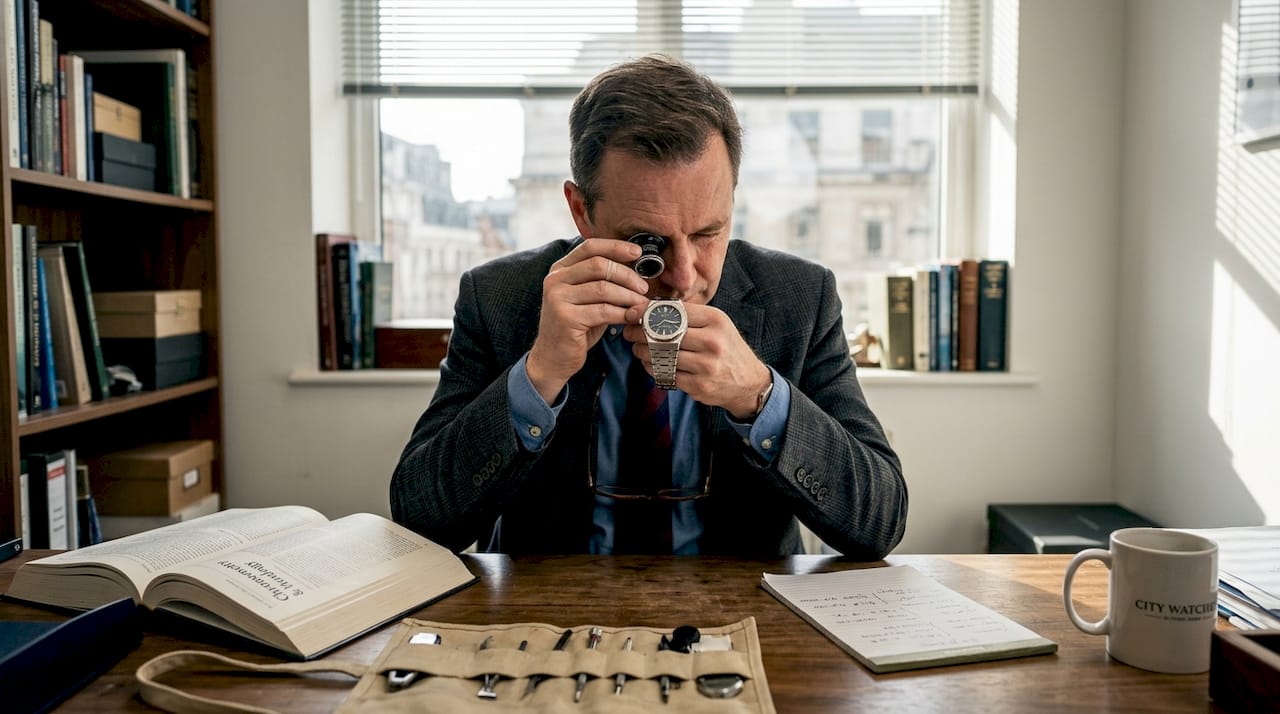
Physical inspection: This is where expertise becomes tangible. Expert brokers conduct technical checks covering the case, movement, screws, and dial, comparing findings against decades of auction records and known reference points.
Pricing analysis: Using proprietary data and live market intelligence, the broker establishes a realistic price range. Sotheby’s uses proprietary sales data spanning 45 or more years to guide pricing decisions, a resource no private seller can replicate independently.
Sale pathway selection: The broker advises whether auction, private sale, or direct dealer purchase best suits your timepiece and your timeline.
Transaction execution: Contracts, payment verification, and logistics are managed end to end.
Consider a practical example. A collector brings in an Audemars Piguet Royal Oak Reference 15202 in excellent original condition. A general dealer might offer a quick cash price based on a brief inspection. An expert broker, however, identifies that the dial is a rare early variant, cross-references it against comparable auction results, and positions it for a private sale to a specialist collector, achieving a price 20 to 30 per cent above the dealer’s initial offer.
Pro Tip: Condition consistently outweighs rarity in determining final sale price. A common reference in pristine, unpolished condition with full box and papers will almost always outperform a rare reference that has been over-serviced or polished. Prioritise preservation.
The table below summarises how the broker process compares to selling privately:
Stage | Expert broker | DIY private sale |
Authentication | Full technical inspection | Self-assessed or absent |
Valuation | Market-data driven | Estimate based on online listings |
Buyer access | Private collectors, auction, trade | Platforms like eBay or Chrono24 |
Transaction security | Escrow, insured shipping, bank wire | Personal risk |
Time to sale | Typically 2 to 8 weeks | Variable, often longer |
Using a watch valuation checklist before approaching a broker ensures you arrive prepared. And if you have questions about what the inspection involves, our guide to authenticating luxury watches walks through the full process in plain terms.
Ensuring secure transactions: Safety for buyers and sellers
All the expertise in the world counts for little if the transaction itself is vulnerable. High-value watch sales attract fraud, counterfeit goods, and payment disputes. Expert brokers have developed layered security protocols to eliminate these risks for both buyers and sellers.
The core security measures that reputable brokers employ include:
Insured shipping: Every watch in transit is covered by specialist fine art and jewellery insurance, not standard courier cover.
Bank wire transfers: Direct bank-to-bank payments eliminate the chargeback risk associated with credit cards or payment apps.
Escrow services: Funds are held by a neutral third party until both buyer and seller confirm the transaction is complete.
Authentication guarantees: The broker stands behind the watch’s authenticity in writing, providing recourse if any issue arises post-sale.
Surveillance and secure facilities: Physical viewings take place in secure, monitored environments.
Brokers offer insured shipping, bank wire, escrow, and surveillance protocols through both auction and retail channels, creating a chain of accountability that private sales simply cannot match. The scale of the market makes this essential: online luxury watch sales are expected to surpass £6 billion globally by 2025, with bank wire and escrow services central to enabling secure transactions at that volume.
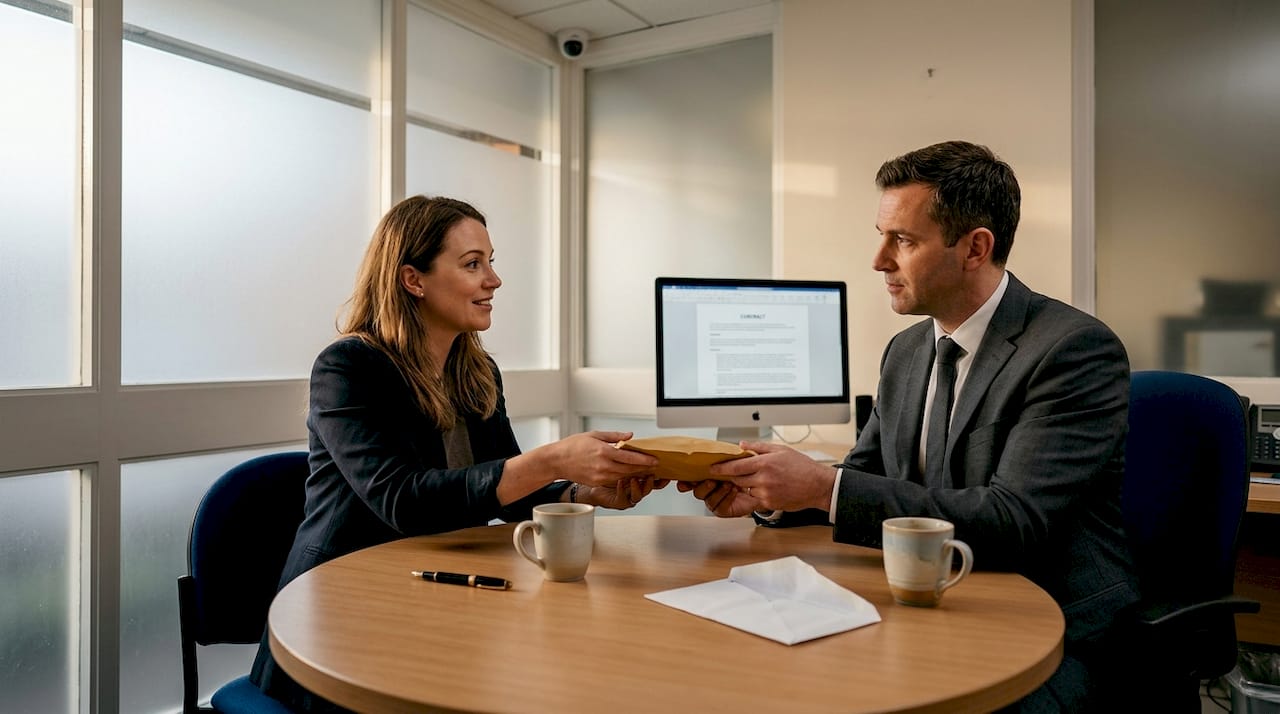
For sellers, the risk of accepting a fraudulent payment or handing over a watch before funds clear is very real. For buyers, the risk of receiving a counterfeit or misrepresented piece is equally serious. Brokers sit between both parties, absorbing and managing that risk professionally.
Pro Tip: Always insist on a physical viewing at a secure location for any transaction above £10,000. Reputable brokers in London often use facilities in areas like Canary Wharf or the City, where building security, CCTV, and controlled access provide an additional layer of protection for all parties.
For further reading on how to protect yourself, our guide to secure watch sale advice and the considerations around selling watches online securely are both worth reviewing before you proceed. You may also wish to explore specialist insurance and security for luxury watches to ensure your collection is fully protected between transactions.
Auctions, dealers, and brokers: Which approach is right?
Once you understand what brokers do and how they protect you, the next question is which route to market best serves your specific situation. There is no single right answer, but the decision framework is straightforward once you know the trade-offs.
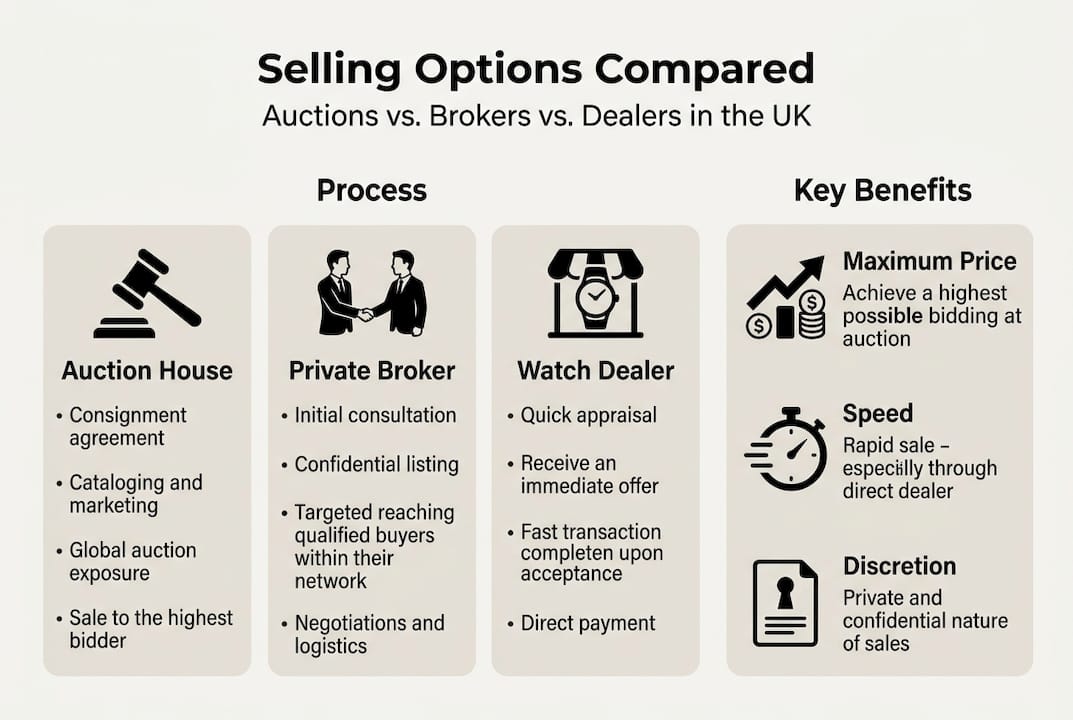
Auctions are best suited to watches with strong provenance, significant collector interest, or historical importance. The competitive bidding environment can drive prices well above estimate when demand is high. Notable UK auction results include a Rolex Daytona achieving £62,500 and an Audemars Piguet Royal Oak reaching £106,250 at Lyon & Turnbull. However, auction fees range from 10 to 30 per cent, and the timeline from consignment to payment can stretch to three or four months.
Private brokers offer speed and discretion. They typically charge lower fees than auction houses and can complete a transaction within days rather than months. This suits sellers who need liquidity quickly or who prefer to keep the sale out of the public record.
Dealers provide the fastest route to cash, often offering immediate payment. Part-exchange arrangements can also offer excellent value if you are upgrading within your collection. The trade-off is that dealer offers are typically below private sale or auction values, reflecting their need to resell at a profit.
The comparison below makes the choice clearer:
Factor | Auction | Private broker | Dealer |
Maximum price potential | High | Medium to high | Medium |
Speed of sale | Slow (8 to 16 weeks) | Fast (1 to 4 weeks) | Immediate |
Fees | 10 to 30% | Low to none | None (lower offer) |
Discretion | Low | High | High |
Best for | Rare or high-demand pieces | Most luxury watches | Quick liquidity |
Choose your route based on these outcomes:
Choose auction when your watch has exceptional provenance, is a rare reference, or you have time to wait for the right buyer.
Choose a private broker when you want a fair price, a swift transaction, and complete discretion.
Choose a dealer when speed and certainty matter more than maximising the final figure.
Our guide to the role of auctions in luxury watch sales and our watch dealer guide provide deeper analysis of each option. For those considering ultra high-value pieces, specialist options exist beyond the mainstream market.
Why the best UK collectors don’t just chase auction prices
Here is an opinion that might surprise you: the most successful watch investors we work with are not obsessed with achieving the highest possible hammer price. They are focused on building a coherent, well-documented, and strategically managed portfolio.
Chasing auction headlines is a trap. A record result for one reference does not mean your example will perform similarly. Condition, service history, originality of parts, and the specific auction’s audience all shape the outcome. Collectors who treat their broker as a strategic partner, rather than just a sales agent, consistently outperform those who make reactive decisions based on market noise.
The most valuable watch in your collection is not necessarily the one with the highest retail price. It is the one that is properly authenticated, accurately valued, and positioned correctly for your investment goals. Routine valuations every few years, honest conversations about condition risks, and a clear understanding of when to hold versus when to sell are what separate serious collectors from enthusiastic ones.
At Horology Kings, we see this distinction clearly. Clients who engage with us as long-term partners, rather than for one-off transactions, make better decisions, avoid costly mistakes, and build collections that genuinely appreciate over time.
Partner with trusted experts for your next watch move
If this guide has clarified what expert brokerage really involves, the logical next step is to work with specialists who deliver exactly that standard of service.
At Horology Kings, we offer personalised brokerage, expert valuation, and a discreet sourcing service for rare and sought-after references. Every transaction is conducted with full authentication, secure UK bank transfer, and the transparency you would expect from a trusted partner in the luxury watch market. Whether you are looking to source a watch that is difficult to find through mainstream channels, or require professional watch repair services to maintain your collection’s value, our team in Hertfordshire is ready to assist. Reach out to begin a conversation about your collection.
Frequently asked questions
How do expert watch brokers authenticate luxury watches?
Expert brokers use specialist tools and reference databases to inspect the case, dial, movement, and service history, verifying authenticity through component checks against known genuine examples and provenance records.
Do expert brokers offer secure transactions for sellers?
Yes. Reputable brokers protect every transaction with insured logistics, bank wires, and escrow, ensuring funds are verified and watches are fully covered throughout the process.
What are the typical fees when selling through a broker or auction?
Auction fees range from 10 to 30 per cent of the hammer price, while brokers and dealers typically charge no upfront fees, instead working on agreed commission or direct purchase terms.
How often should a luxury watch be valued?
A professional valuation is recommended every 3 to 5 years, as regular valuations every 3 to 5 years ensure your insurance cover and resale expectations remain aligned with current market conditions.
Recommended
Comments