.png)
Watch sourcing tips for rare luxury watches in UK 2026
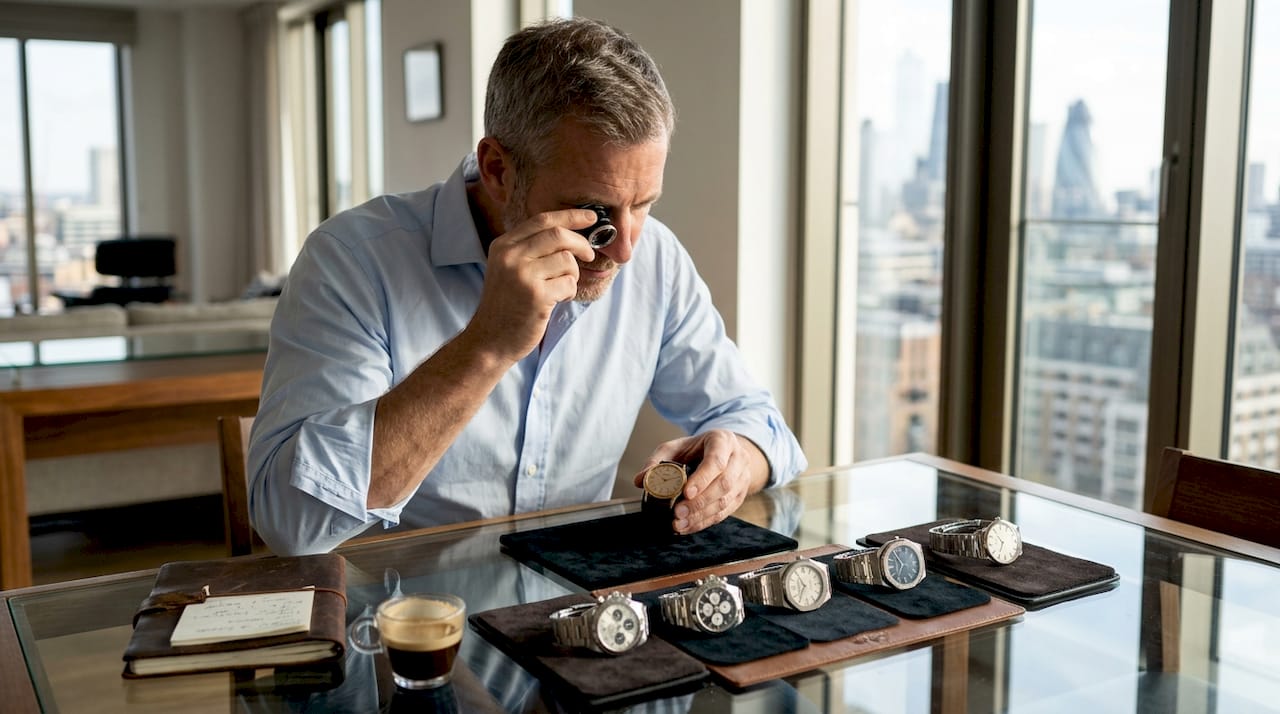
Sourcing rare luxury watches in the UK presents both immense rewards and complex challenges for collectors and investors. The market demands careful navigation of authenticity concerns, investment criteria, and access to coveted models from Rolex, Patek Philippe, and Audemars Piguet. This guide delivers expert, evidence-backed strategies to help you source genuine timepieces with confidence, understand blue-chip investment models, and leverage UK collector networks for optimal results. You’ll learn precise criteria, model comparisons, and practical sourcing approaches that transform the daunting task of acquiring rare watches into an informed, strategic pursuit.
Table of Contents
Key takeaways
Point | Details |
Prioritise blue-chip models | Focus on Rolex Submariner, GMT-Master, Daytona, Patek Philippe, and Audemars Piguet for proven investment potential and cultural prestige. |
Verify authenticity rigorously | Authenticate every watch to avoid counterfeits and Franken-watches, which account for significant market risk. |
Leverage UK networks | Join watch clubs like Watch Collectors’ Club and Bezeled, and attend auction previews at Phillips and Christie’s for off-market access. |
Understand cost factors | Allocate 0.5-3% of portfolio to watches and budget for insurance, servicing, and illiquidity considerations. |
Avoid high-risk channels | Steer clear of eBay and unvetted private sales, which carry a 20% counterfeit rate. |
Establish criteria for sourcing rare luxury watches
Before you pursue any timepiece, establish clear criteria that align with your collecting goals and financial strategy. Luxury watches function as alternative investments, and UK benchmarks show certain models appreciate over decades but require careful allocation and cost consideration. Financial advisers typically recommend allocating 0.5-3% of your investment portfolio to watches, treating them as illiquid assets alongside art and collectibles. This measured approach acknowledges both the appreciation potential and the inherent risks of the market.
Cost factors extend beyond purchase price. Insurance premiums for high-value watches can reach 1-2% annually, whilst professional servicing for complicated movements costs £500-£2,000 every five years. Liquidity constraints mean you cannot quickly convert watches to cash without accepting discounts, particularly during market downturns. These realities demand that you view watch collecting as a long-term commitment rather than a short-term speculation vehicle.
Authenticity represents your most critical criterion. Counterfeit watches and Franken-watches, which combine genuine and aftermarket parts, plague the market and destroy investment value. You must verify serial numbers, movement quality, dial originality, and provenance documentation before any purchase. Professional authenticating luxury watches services provide essential protection against sophisticated fakes that fool even experienced collectors.
Vintage watches introduce additional risks. Over-polishing cases removes original metal and diminishes value by 20-40%. Redials, even when expertly executed, reduce collectibility because originality commands premium pricing. A 1960s Rolex Submariner with its original tritium dial fetches twice the price of an identical model with a service replacement dial. These details separate informed collectors from casual buyers.
Cultural recognition and supply control drive appreciation potential. Models featured in films, worn by celebrities, or associated with historical events gain prestige that translates to market demand. Manufacturers like Rolex and Patek Philippe deliberately constrain production of their most desirable references, creating scarcity that supports price growth. When evaluating potential acquisitions, consider whether the model possesses these attributes that foster long-term value.
Key criteria checklist:
Investment allocation within 0.5-3% portfolio range
Comprehensive cost analysis including insurance and servicing
Rigorous authenticity verification protocols
Assessment of vintage condition risks
Evaluation of cultural significance and supply dynamics
Pro Tip: Document every watch’s complete history, including service records, purchase receipts, and provenance letters. This documentation significantly enhances resale value and provides essential proof of authenticity.
Exploring blue-chip watch models for investment and collecting
Blue-chip watches dominate serious collectors’ portfolios because their combination of brand prestige, controlled supply, and cultural recognition creates reliable appreciation potential. Luxury watch investment guide research emphasises Rolex Submariner, GMT-Master, Daytona, Patek Philippe, and Audemars Piguet as models where supply controls and cultural prestige drive outperformance. These references represent the safest entry points for collectors seeking both enjoyment and investment returns.
Rolex models command the largest share of collector interest. The Submariner, introduced in 1953, established the dive watch category and remains the most recognisable luxury sports watch globally. Current market prices for modern Submariners range £7,000-£15,000, whilst vintage references from the 1960s-1980s command £10,000-£50,000 depending on condition and rarity. The GMT-Master, originally designed for Pan Am pilots, offers similar investment characteristics with prices spanning £8,000-£20,000 for contemporary models. The Daytona chronograph, immortalised by Paul Newman, represents the pinnacle of Rolex collecting with entry prices starting at £15,000 and rare vintage examples exceeding £100,000.
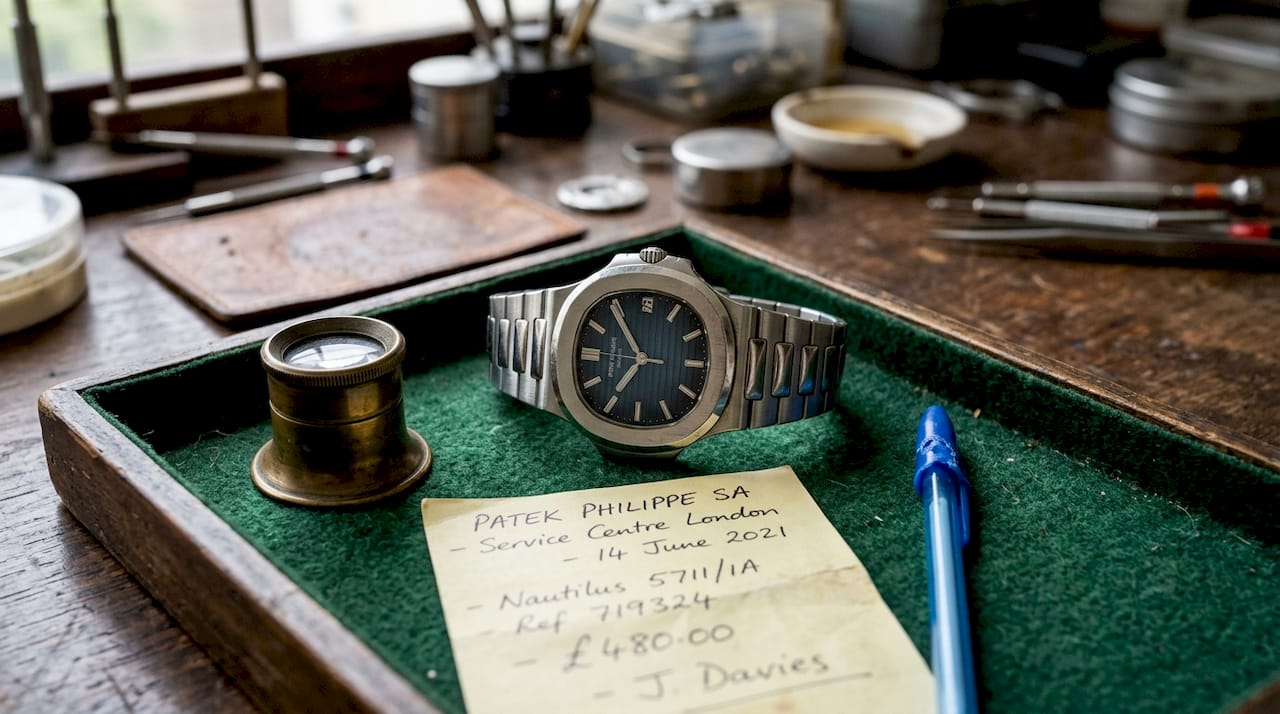
Patek Philippe occupies the luxury segment’s apex. The Nautilus sports watch, designed by Gérald Genta in 1976, combines casual elegance with exceptional craftsmanship. Current market access requires £20,000-£60,000 for steel models, whilst precious metal variants exceed £50,000. Patek Philippe’s reputation for limited production and multi-generational ownership creates scarcity that supports consistent appreciation. The brand’s “You never actually own a Patek Philippe” marketing reinforces this investment narrative.
Audemars Piguet’s Royal Oak, another Gérald Genta design from 1972, revolutionised luxury sports watches with its integrated bracelet and octagonal bezel. Market prices range £15,000-£35,000 for steel references, with complications and precious metals commanding significantly higher sums. Limited production numbers and the brand’s independent status contribute to strong collector demand and appreciation potential.
Entry-level collectible watches from Omega and Tudor provide accessible alternatives. The Omega Speedmaster Professional, the only watch certified for NASA space missions, offers genuine heritage at £3,000-£5,000. Tudor’s Black Bay collection delivers Rolex quality at £3,000-£5,000, appealing to collectors building foundational collections. Whilst these models lack the investment track record of Rolex and Patek Philippe, they provide excellent value and enjoyment.
Investment tier breakdown:
Entry tier (£3,000-£5,000): Omega Speedmaster, Tudor Black Bay
Mid tier (£5,000-£20,000): Rolex Submariner, GMT-Master, IWC Pilot
Premium tier (£20,000+): Patek Philippe Nautilus, Audemars Piguet Royal Oak, Rolex Daytona
Pro Tip: Focus your initial acquisitions on steel sports models from Rolex and Omega. These references offer the best combination of wearability, liquidity, and appreciation potential for collectors establishing their collections. Explore blue-chip model sourcing advice and investable timepieces guidance for deeper insights.
Comparison of top blue-chip watches for UK collectors
Understanding how leading blue-chip watches compare across features, pricing, and investment characteristics enables informed sourcing decisions. Certain models appreciated consistently over decades, though post-2022 market peaks have softened, creating current opportunities for strategic acquisitions.
Model | Key Features | UK Price Range | Investment Potential | Sourcing Considerations |
Rolex Submariner | Iconic dive watch, 300m water resistance, ceramic bezel | £7,000-£15,000 | Strong liquidity, consistent 3-5% annual appreciation | High availability through authorised dealers and grey market |
Patek Philippe Nautilus | Luxury sports watch, integrated bracelet, superior finishing | £20,000-£60,000+ | Exceptional prestige, limited production drives scarcity | Multi-year waiting lists, grey market premiums 50-100% |
Audemars Piguet Royal Oak | Octagonal bezel, integrated bracelet, Genta design | £15,000-£35,000 | Strong collector demand, limited availability | Boutique allocation challenges, auction market active |
Omega Speedmaster | Manual-wind chronograph, NASA heritage, hesalite crystal | £3,000-£5,000 | Stable value, excellent brand heritage, limited appreciation | Readily available, strong service network |
Tudor Black Bay | Vintage-inspired dive watch, in-house movement, Rolex quality | £3,000-£5,000 | Growing popularity, less established investment record | Good availability, strong value proposition |
The Rolex Submariner delivers optimal balance between accessibility, liquidity, and appreciation. You can source contemporary references through authorised dealers, though waiting lists extend 6-18 months for popular configurations. The grey market offers immediate availability at 10-20% premiums, whilst vintage references provide alternative entry points with different risk-reward profiles.
Patek Philippe Nautilus represents the ultimate collector’s prize but demands significant capital and patience. Authorised dealer waiting lists stretch 5-10 years for established clients, forcing most collectors toward the grey market where premiums reach 50-100% above retail. This premium reflects genuine scarcity and investment potential, but requires careful authentication given the financial stakes.
Audemars Piguet Royal Oak occupies the middle ground between Rolex accessibility and Patek Philippe exclusivity. Boutique allocation favours existing clients and high-spending customers, whilst auction houses regularly feature Royal Oak references across price points. This auction activity provides sourcing opportunities but demands expertise in condition assessment and authentication.
Omega Speedmaster and Tudor Black Bay serve collectors prioritising wearability and value over pure investment returns. Both brands maintain healthy production volumes and service networks, ensuring parts availability and reasonable servicing costs. These characteristics make them excellent daily wear options that preserve capital whilst delivering genuine horological quality.
Pro Tip: When comparing models, evaluate total cost of ownership including insurance, servicing, and opportunity cost of capital. A £30,000 Nautilus requiring £600 annual insurance and £2,000 servicing every five years carries different economics than a £5,000 Speedmaster with £100 insurance and £500 servicing costs. Review negotiating watch sales tips to optimise acquisition pricing.
Practical sourcing strategies and risks for UK luxury watch collectors
Successful watch sourcing demands rigorous authentication protocols and strategic use of trusted channels. Avoid eBay and private sales due to 20% fake rates; leverage auction previews and 14-day returns when available. UK collectors enjoy advantages through established auction houses, specialist dealers, and active collector communities that provide both market intelligence and off-market opportunities.
Authentication represents your primary defence against counterfeits and Franken-watches. Professional services examine serial numbers, movement finishing, dial printing, and case construction using magnification and reference databases. Sophisticated counterfeits replicate superficial details but fail under expert scrutiny of movement decoration, material quality, and microscopic printing characteristics. Budget £100-£300 for independent authentication of any significant purchase, viewing this cost as essential insurance against much larger losses.
Auction houses including Phillips, Christie’s, and Sotheby’s host regular watch sales in London, offering hands-on preview opportunities that online marketplaces cannot match. Attend preview days to examine watches under natural light, assess case condition, and consult with auction specialists who provide valuable market context. Auction catalogues disclose condition issues and restoration history, whilst buyer’s premiums of 25-30% reflect the authentication and cataloguing services provided.
“The best watch purchases happen when you can physically inspect the timepiece, verify its authenticity with experts present, and understand its complete history. Auctions and specialist dealers provide this transparency that private sales lack.”
UK watch clubs create valuable networking and sourcing opportunities. The Watch Collectors’ Club and Bezeled host regular meetups where members trade watches, share market intelligence, and facilitate introductions to trusted dealers. These communities provide access to off-market watches from collectors upgrading or downsizing their collections, often at prices below retail equivalents. Membership dues of £50-£200 annually deliver significant value through these connections.
Specialist dealers offer another trusted channel, particularly for collectors lacking expertise to navigate auctions independently. Established dealers maintain reputations built over decades, providing authentication guarantees, warranty coverage, and after-sales service that justify their margins. UK watch dealer guide resources help you identify reputable dealers and understand their service propositions.
Return policies provide essential protection for remote purchases. Dealers offering 14-day returns demonstrate confidence in their authentication and condition descriptions. Use this period to obtain independent authentication, assess condition under various lighting, and verify all functions operate correctly. Never waive return rights for significant purchases, regardless of dealer assurances.
Risk mitigation strategies:
Obtain independent authentication for purchases exceeding £5,000
Attend auction previews to physically inspect watches
Join UK watch clubs for network access and market intelligence
Prioritise dealers and platforms offering return policies
Document all communications and condition disclosures
Pro Tip: Develop relationships with auction house watch specialists by attending sales and asking informed questions. These experts often provide advance notice of interesting consignments and valuable market insights that improve your sourcing success. Complement auction strategies with luxury watch authentication guide knowledge.
Discover expert watch sourcing support with Horology Kings
Navigating the complexities of luxury watch sourcing demands expertise, market access, and rigorous authentication protocols. Horology Kings provides UK collectors with professional sourcing services tailored to your specific requirements, whether you seek a vintage Rolex Submariner, contemporary Patek Philippe, or rare Audemars Piguet reference. Our Hertfordshire-based team leverages extensive dealer networks and auction relationships to locate watches that meet your criteria whilst ensuring complete authenticity and transparent pricing.
Our source a watch service delivers comprehensive support from initial consultation through acquisition and beyond. We authenticate every timepiece using professional protocols, negotiate optimal pricing on your behalf, and provide detailed condition documentation. Post-purchase, our watch repair and servicing ensures your investment maintains peak condition and value. Visit Horology Kings to explore how our expertise transforms watch sourcing from daunting challenge to confident acquisition.
Frequently asked questions
How can I verify a luxury watch’s authenticity before purchase?
Verify authenticity by examining serial numbers against manufacturer databases, inspecting movement finishing quality, and assessing dial printing precision under magnification. Professional authentication services provide expert analysis using reference materials and specialised equipment that identify sophisticated counterfeits. Always obtain independent authentication for purchases exceeding £5,000, and consult our authenticity verification guide for detailed protocols.
Which watch models are considered best investments in the UK 2026?
Rolex Submariner, GMT-Master, and Daytona lead investment rankings due to controlled supply, cultural recognition, and consistent appreciation. Patek Philippe Nautilus and Audemars Piguet Royal Oak offer premium investment potential for collectors with larger budgets. Entry points start around £3,000 with Omega Speedmaster and Tudor Black Bay, though these models emphasise value retention over aggressive appreciation. Review best investment watch models for current market analysis.
How do UK collectors avoid counterfeit and Franken watches when sourcing?
Avoid eBay and unvetted private sales, which carry 20% counterfeit rates according to market research. Prioritise vetted dealers, established auction houses, and specialist retailers offering authentication guarantees and return policies. Attend auction previews for hands-on inspection, and obtain independent authentication for significant purchases. UK collector networks provide valuable dealer recommendations and market intelligence that reduce counterfeit exposure. Consult our guide to avoid counterfeit watches for comprehensive protection strategies.
What are typical costs beyond purchase price for luxury watch collecting?
Budget 1-2% annually for insurance coverage on high-value watches, with premiums varying based on security measures and claim history. Professional servicing costs £500-£2,000 every five years depending on movement complexity, with complications requiring specialist attention at premium rates. Factor in opportunity cost of capital, as watches represent illiquid investments that cannot be quickly converted to cash without accepting discounts. Storage solutions including safes and watch winders add £200-£2,000 depending on collection size and security requirements.
Recommended
Comments