.png)
How brand reputation shapes value in luxury watches
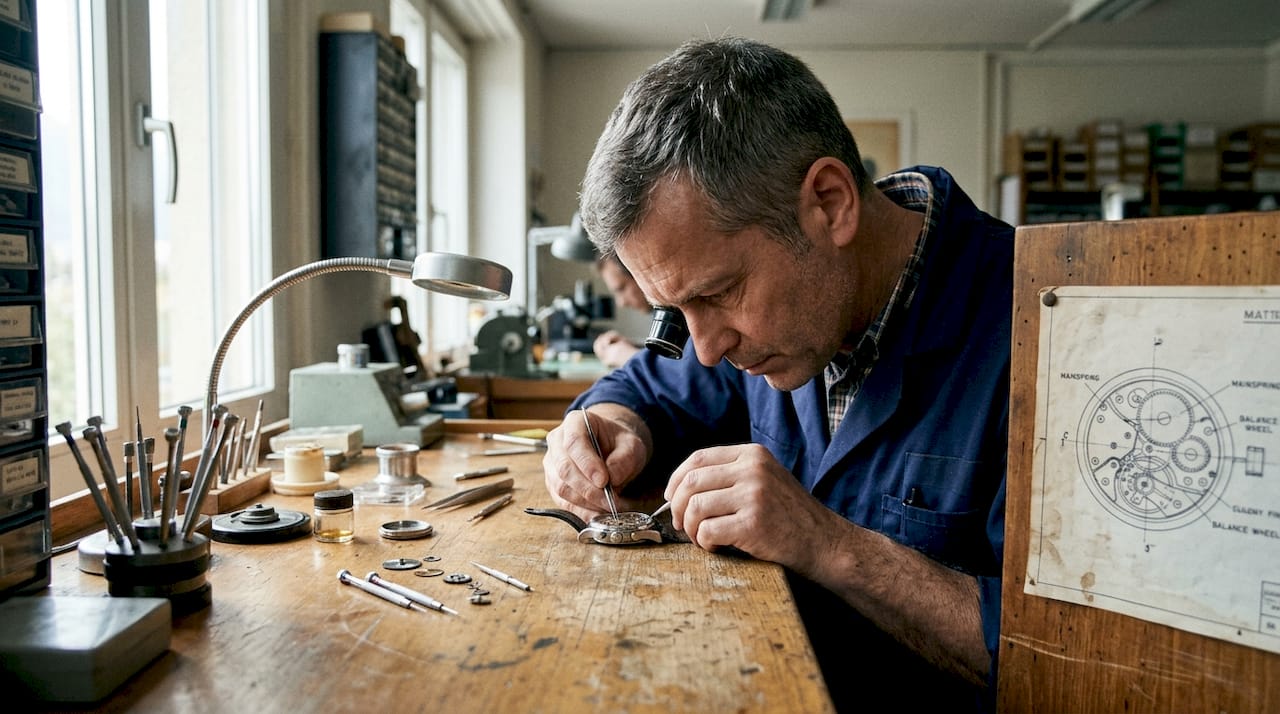
A Rolex Submariner and a technically similar dive watch from an emerging brand might share comparable movements and materials, yet the Rolex commands prices ten times higher. This gap isn’t about engineering alone. Brand reputation drives the difference, shaping how collectors perceive value, trust authenticity, and make investment decisions. Understanding this dynamic helps you navigate the luxury watch market with confidence, whether you’re building a collection or seeking profitable opportunities in the UK’s thriving horological landscape.
Table of Contents
Key Takeaways
Point | Details |
Brand reputation drives value | Brand reputation encompasses trust, heritage, craftsmanship, innovation and customer perception, shaping both initial pricing and long term appreciation. |
Higher resale for strong brands | Luxury brands with strong reputations consistently achieve higher resale prices and stronger collector demand than lesser established rivals. |
Authenticity and provenance | Authenticity and provenance reinforce brand value by assuring buyers and sustaining confidence over time. |
Exclusivity through supply control | Limited production, controlled distribution and strict quality control signal rarity and desirability, influencing pricing across the market. |
Understanding brand reputation in the luxury watch market
Brand reputation in luxury horology encompasses far more than a name on a dial. It represents the accumulated trust, heritage, craftsmanship, innovation, and customer perception that define how collectors and investors view a manufacturer. Brand reputation encompasses heritage, craftsmanship, innovation, and customer perception, shaping brand equity in luxury watches. This reputation forms the foundation of both perceived and actual value, influencing everything from initial retail pricing to decades-long appreciation potential.
Several elements combine to build and sustain brand reputation in the luxury watch sphere. A manufacturer’s history matters enormously. Brands with centuries of continuous production, like Patek Philippe or Vacheron Constantin, carry weight that newer entrants cannot replicate overnight. Iconic models also contribute significantly. Think of the Rolex Daytona, Audemars Piguet Royal Oak, or Omega Speedmaster. These timepieces transcend mere function to become cultural touchstones, elevating their makers’ standing across the entire catalogue.
Exclusivity plays a crucial role too. Limited production runs, selective distribution through authorised dealers, and stringent quality control all signal rarity and desirability. When a brand maintains tight control over supply, collectors perceive greater value. Quality remains paramount. Consistent excellence in finishing, movement reliability, and material selection builds confidence that extends across generations of ownership. UK collectors particularly value these elements, seeking watches that combine investment potential with genuine horological merit.
Key factors influencing brand reputation include:
Longstanding manufacturing heritage and unbroken production history
Iconic models that have achieved cultural significance beyond horology
Controlled distribution and production volumes ensuring exclusivity
Demonstrable quality in materials, finishing, and movement performance
Innovation in complications, materials, or design that advances the industry
Customer service excellence and warranty support that reinforces trust
For collectors navigating the UK market, understanding these reputation drivers helps separate genuine investment opportunities from marketing hype. A watch valuation guide reveals how these factors translate into concrete pricing differences.
How brand reputation influences luxury watch value and desirability
The connection between brand reputation and pricing becomes immediately apparent when comparing similar watches across reputation tiers. A chronograph from Patek Philippe might retail for £80,000, whilst a technically comparable piece from a respected but less prestigious brand sells for £15,000. The movement quality, case finishing, and functionality might be remarkably similar, yet the price gap reflects accumulated brand equity.
Luxury watches from brands with strong reputations consistently achieve higher resale prices and retain value better than lesser-known alternatives. This phenomenon extends beyond initial purchase. Resale markets demonstrate clear patterns. A Rolex Submariner purchased at retail often appreciates or holds value remarkably well. Meanwhile, watches from emerging brands typically depreciate 30-50% the moment they leave the boutique. This disparity reflects buyer confidence. Collectors trust established brands to maintain desirability, ensuring future liquidity.

Brand reputation tier | Typical value retention | Resale market depth | Investment stability |
Top tier (Rolex, Patek Philippe, Audemars Piguet) | 85-120% over 5 years | Very high, global demand | Excellent, low volatility |
Established prestige (Omega, Cartier, IWC) | 60-85% over 5 years | High, strong collector base | Good, moderate volatility |
Respected independent (F.P. Journe, MB&F) | 70-110% over 5 years | Moderate, niche collectors | Variable, model-dependent |
Emerging brands | 40-60% over 5 years | Limited, specialist buyers | Higher risk, less predictable |
Strong brands signal quality and trustworthiness that resonate deeply with collectors and investors. When you purchase a Patek Philippe, you’re not just buying a watch. You’re acquiring a piece with documented provenance, access to factory servicing, and entry into a community of knowledgeable enthusiasts. This ecosystem of support and knowledge adds tangible value beyond the physical timepiece.
Pro Tip: Before purchasing any luxury watch, research recent auction results and private sale prices for similar models. Track how the brand’s reputation has evolved over the past 3-5 years through specialist forums and dealer listings. Stable or growing interest indicates a brand maintaining its reputation effectively.
Demand volatility remains significantly lower for reputable brands, making them safer investments. Market downturns affect all luxury goods, but established names recover faster and maintain stronger price floors. Collectors facing financial pressure can liquidate a Rolex or Omega relatively quickly at predictable prices. Lesser-known brands might require months to find buyers, often necessitating steep discounts. This liquidity advantage makes reputation a practical consideration, not merely an aesthetic one. For those interested in trading high-end watches, brand reputation directly impacts profitability and transaction speed.
Maintaining and protecting brand reputation in the luxury watch industry
Luxury watch manufacturers invest enormous resources protecting their reputations through systematic quality control, comprehensive warranty programmes, and carefully managed distribution networks. Luxury brands maintain reputation via strict quality control, exceptional customer service, and authorised dealer networks. These efforts create a virtuous cycle. Consistent quality reinforces brand trust, which supports premium pricing, funding further investment in excellence.
Quality control at top manufacturers extends far beyond basic functionality testing. Patek Philippe famously inspects every component multiple times throughout assembly. Rolex operates its own foundry to ensure material consistency. These practices prevent defects that could tarnish reputation whilst demonstrating commitment to excellence that collectors recognise and value. Warranty policies further reinforce brand standing. Comprehensive coverage signals confidence in product durability whilst providing peace of mind that encourages purchase.
Authorised dealer networks play a crucial role in reputation maintenance. By controlling distribution channels, brands ensure consistent customer experience, prevent counterfeits from entering legitimate markets, and maintain pricing integrity. For collectors, purchasing through authorised dealers guarantees authenticity and full warranty coverage, essential elements when investing significant capital.
Collectors bear responsibility for maintaining brand value through proper ownership practices. Following these steps protects your investment:
Verify authenticity before purchase through serial number checks, movement inspection, and documentation review
Maintain complete provenance records including original purchase receipts, service history, and warranty cards
Service watches exclusively through authorised service centres to preserve warranty coverage and ensure genuine parts
Store timepieces properly using watch winders for automatic movements and climate-controlled environments
Document condition regularly with dated photographs showing case, dial, and movement condition
Avoid unauthorised modifications that diminish originality and collector appeal
Insure valuable pieces with specialist policies covering full replacement value
Pro Tip: Always use authorised service centres for maintenance, even after warranty expiration. The service history from official channels adds significant value when selling, often justifying the higher service costs through improved resale prices. Unauthorised servicing can reduce value by 15-25% regardless of work quality.
Warranties and official documentation form the backbone of reputational trust in secondary markets. A complete set of papers proves authenticity, establishes purchase date, and demonstrates proper care. Collectors pay substantial premiums for fully documented pieces. A Rolex with box and papers typically commands 10-20% more than an identical watch without documentation. This gap reflects reduced risk and enhanced confidence that proper documentation provides. Understanding luxury watch maintenance tips helps preserve both physical condition and reputational value throughout ownership. Familiarising yourself with watch warranty terms ensures you maximise protection.
Applying brand reputation knowledge to your luxury watch collecting and investing strategy
Transforming brand reputation awareness into practical collecting and investing success requires systematic evaluation processes. When considering any luxury watch purchase, assess the manufacturer’s standing through multiple lenses. Research the brand’s history, noting founding date, ownership changes, and production consistency. Examine current market performance by tracking auction results, dealer pricing, and collector forum discussions. Evaluate the specific model’s significance within the brand’s catalogue. Is it an iconic reference or a lesser-known variant?
Collecting watches from reputable brands enhances portfolio stability and increases chances of appreciation over time. Investment outcomes correlate strongly with brand reputation tiers, as demonstrated by market data:
Reputation tier | Average 5-year return | Liquidity timeframe | Market volatility | Collector base size |
Top tier | +15% to +45% | 1-4 weeks | Low | Very large, global |
Established prestige | -5% to +20% | 4-12 weeks | Moderate | Large, regional |
Respected independent | -10% to +35% | 8-24 weeks | High | Small, specialist |
Emerging brands | -30% to +10% | 12-52 weeks | Very high | Very small, niche |
Vetting sources requires equal attention to brand reputation. Purchase exclusively from established dealers with verifiable track records, transparent policies, and comprehensive authentication procedures. Request detailed photographs showing serial numbers, movement condition, and any imperfections. Verify serial numbers against manufacturer databases when possible. For significant purchases, consider independent authentication services that provide expert verification.
Key considerations when vetting sources include:
Dealer longevity and reputation within the UK horological community
Transparency regarding watch condition, service history, and any modifications
Willingness to provide detailed documentation and authentication guarantees
Clear return policies allowing inspection periods before final commitment
Secure payment methods including escrow services for high-value transactions
Professional photography showing actual watch condition rather than stock images
Brand reputation serves as an effective filter in trading and selling activities. When building a collection for investment, prioritise brands with established track records of value retention. Diversify across reputation tiers based on your risk tolerance, but maintain a core holding in top-tier brands that provide stability. When selling, leverage brand reputation in your marketing. Emphasise provenance, documentation, and service history that reinforce the brand’s standing.
Understanding authenticating luxury watches protects you from counterfeits that damage both financial investment and collecting confidence. When ready to sell, exploring options for selling watches online UK helps maximise returns whilst maintaining security throughout the transaction.
Discover trusted luxury watches and expert services
Navigating the luxury watch market requires more than knowledge alone. You need partners who understand brand reputation’s nuances and prioritise authenticity, transparency, and client success. Horology Kings specialises in high-end watch trading, offering expert guidance that helps collectors identify authentic timepieces from manufacturers with strong reputations. Whether you’re seeking a specific Rolex reference, evaluating a Patek Philippe investment, or sourcing a rare Audemars Piguet, our team brings decades of combined experience to every transaction.
Our sourcing services tap into extensive networks to locate collector’s dream timepieces that rarely appear on public markets. We verify authenticity, negotiate fair pricing, and ensure complete documentation accompanies every watch. For existing collections, our watch repair and servicing maintains both physical condition and reputational value through authorised procedures and genuine components. Visit Horology Kings to explore our current inventory or discuss your collecting goals.
Pro Tip: Establishing relationships with trusted dealers provides access to off-market opportunities before they reach public listings. These pre-market acquisitions often offer better pricing whilst reducing competition from other collectors seeking the same references.
What is the role of brand reputation in watches?
How does brand reputation influence luxury watch value?
Brand reputation directly impacts both initial pricing and long-term value retention by establishing buyer confidence and market demand. Watches from prestigious manufacturers command premium prices because collectors trust their quality, authenticity, and future desirability. Strong reputations reduce investment risk whilst enhancing liquidity, making established brands safer choices for collectors prioritising financial returns alongside horological appreciation.
What factors determine a luxury watch brand’s reputation?
Reputation develops through manufacturing heritage, iconic model creation, consistent quality, controlled exclusivity, and customer service excellence. Brands with centuries of continuous production, landmark timepieces that achieved cultural significance, and unwavering commitment to craftsmanship build reputations that translate into market value. Innovation in complications and materials also contributes, particularly when advances benefit the broader industry rather than serving purely as marketing exercises.
How can UK collectors assess brand strength before purchasing?
Research recent auction results, private sale prices, and dealer listings to understand current market positioning. Examine collector forum discussions and specialist publications for sentiment trends. Verify the brand maintains authorised service networks in the UK, ensuring long-term support availability. Compare value retention across similar models from competing brands, noting which maintain stronger resale prices and shorter selling timeframes.
Why does proper maintenance support brand reputation during ownership?
Maintaining watches through authorised service centres preserves warranty coverage, ensures genuine components, and creates documented service history that reinforces authenticity during resale. Proper care prevents condition deterioration that diminishes value regardless of brand reputation. Collectors who demonstrate responsible ownership through complete service records command premium prices because buyers gain confidence in the watch’s mechanical integrity and originality.
How do warranties and documentation affect reputational trust?
Warranties signal manufacturer confidence in product durability whilst providing buyer protection that encourages purchase. Complete documentation including original papers, service records, and purchase receipts proves authenticity and establishes provenance, reducing buyer risk significantly. Watches with full documentation typically sell for 10-20% more than identical pieces lacking papers because documentation eliminates authentication concerns and demonstrates proper ownership history.
What role does brand reputation play in UK market preferences?
UK collectors particularly value heritage, understated elegance, and proven investment performance over flashy designs or marketing hype. Brands like Rolex, Patek Philippe, and Omega resonate strongly because they combine horological excellence with cultural significance and reliable value retention. The UK market’s sophistication means collectors scrutinise brand histories carefully, favouring manufacturers with authentic heritage over those relying primarily on celebrity endorsements or aggressive marketing campaigns.
Recommended
Comments