.png)
Luxury watch maintenance tips to preserve value in 2026
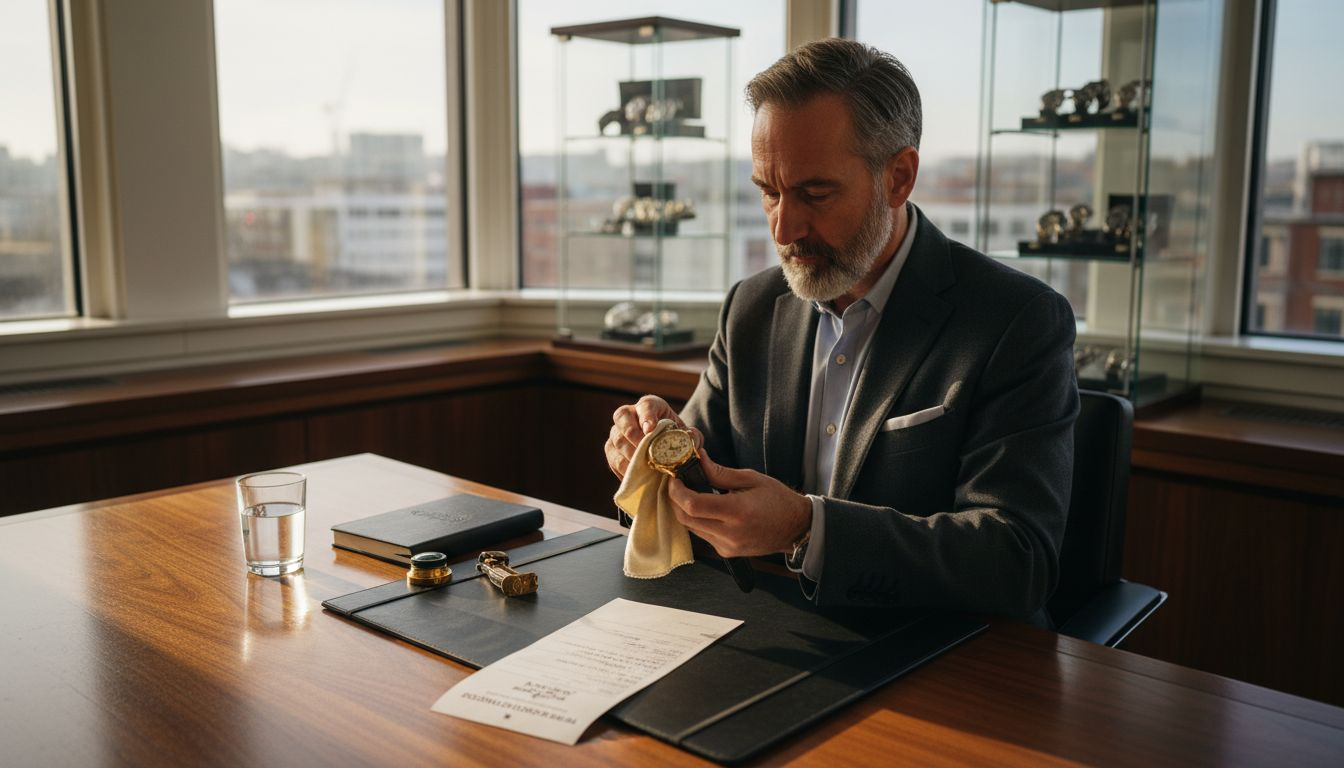
Many collectors believe luxury watch failures stem from manufacturing defects, yet 70% of premature failures are caused by neglect rather than defects. Your Rolex, Patek Philippe, or Audemars Piguet represents a significant investment that demands expert care. This article reveals essential cleaning techniques, servicing schedules, storage solutions, and repair strategies that preserve both function and resale value for UK collectors.
Table of Contents
Key takeaways
Point | Details |
Regular professional servicing | Mechanical luxury watches require servicing every 3 to 5 years to maintain accuracy, whilst quartz models need less frequent intervention. |
Material-specific cleaning | Metal cases tolerate mild soapy water weekly, whilst leather straps demand dry cloths only to prevent degradation from moisture and chemicals. |
Environmental protection | Store watches in original padded cases away from magnetic fields, extreme temperatures, and direct sunlight to prevent both functional and aesthetic damage. |
Authentic parts only | Non-original components compromise mechanical integrity and substantially reduce resale value, making authorised service centres essential. |
Watch winder benefits | Automatic movements benefit from winders when not worn daily, preventing lubricant stagnation that leads to costly repairs. |
How to choose the right maintenance approach
Selecting an effective maintenance strategy begins with understanding your timepiece’s specific requirements. Your watch’s movement type dictates servicing frequency and care intensity. Mechanical and automatic movements contain hundreds of precisely engineered components requiring regular attention, whilst quartz movements offer simpler maintenance demands.
Value preservation drives every maintenance decision for serious collectors. Each service record, cleaning routine, and storage choice directly impacts future resale potential. Professional servicing through authorised centres maintains provenance documentation that buyers scrutinise during authentication.
Balancing daily care with professional servicing creates optimal results. You handle surface cleaning and storage, whilst certified watchmakers address internal mechanisms. Mechanical luxury watches require servicing every 3 to 5 years, though individual usage patterns may warrant adjusted schedules.
Consider these essential factors when planning your approach:
Movement type determines service intervals: mechanical/automatic every 3 to 5 years, quartz every 5 to 7 years
Watch value influences whether to pursue manufacturer servicing or independent specialists
Usage frequency affects lubricant degradation rates and cleaning needs
Material composition of case and strap dictates cleaning products and techniques
Investment goals determine documentation rigour and service provider selection
Cost considerations extend beyond immediate service fees. Neglecting timely maintenance leads to exponentially higher repair costs when components fail. A £500 service prevents £3,000 movement replacements. Explore detailed guidance on our luxury watch maintenance blog for specific brand recommendations. Additional perspectives appear in this comprehensive watch maintenance guide UK resource.
Daily cleaning and care techniques
Proper cleaning preserves aesthetic appeal whilst preventing corrosive buildup that damages seals and cases. Your approach must vary dramatically based on strap material and case composition. Metal bracelets tolerate moisture and mild cleaners, whilst leather demands entirely different handling.
For stainless steel cases and bracelets, use lukewarm water with a tiny drop of pH-neutral soap. Dip a soft microfiber cloth into the solution, wring thoroughly, then gently wipe surfaces. Never submerge the watch unless it carries a screw-down crown and adequate water resistance rating. Dry immediately with a separate clean cloth to prevent water spots.
Leather straps require extreme caution. Leather strap degradation is accelerated by exposure to perfume and water, making dry cleaning essential. Use only dedicated leather watch strap conditioners applied sparingly with soft cloths. Remove the strap from the watch case during conditioning to prevent product transfer onto metal components.
Chemical avoidance protects delicate finishes and seals. Avoid harsh chemicals like bleach or ammonia to prevent case and strap damage that voids warranties and diminishes value. Common household cleaners contain abrasives that scratch polished surfaces or strip protective coatings.
Establish appropriate cleaning frequencies:
Metal bracelets: weekly wipe-downs with damp microfiber cloths
Leather straps: monthly conditioning, immediate removal if wet
Rubber straps: weekly cleaning with mild soap solution
Case backs and lugs: fortnightly attention to remove skin oils and debris
Crystals: daily gentle buffing with dedicated lens cloths
Pro Tip: Keep a dedicated watch cleaning kit in your bedroom containing separate microfiber cloths for wet and dry cleaning, pH-neutral soap, and leather conditioner. This prevents cross-contamination and ensures you never reach for inappropriate household products in haste.
Discover material-specific techniques on our watch cleaning tips page. Further detailed methods appear in these cleaning methods for luxury watches guidelines.
Regular servicing: when and why it matters
Professional servicing represents the most critical maintenance investment for mechanical timepieces. Internal components operate under constant friction, with lubricants degrading over time regardless of wear frequency. Mechanical luxury watches require servicing every 3 to 5 years to maintain factory-specified performance standards.
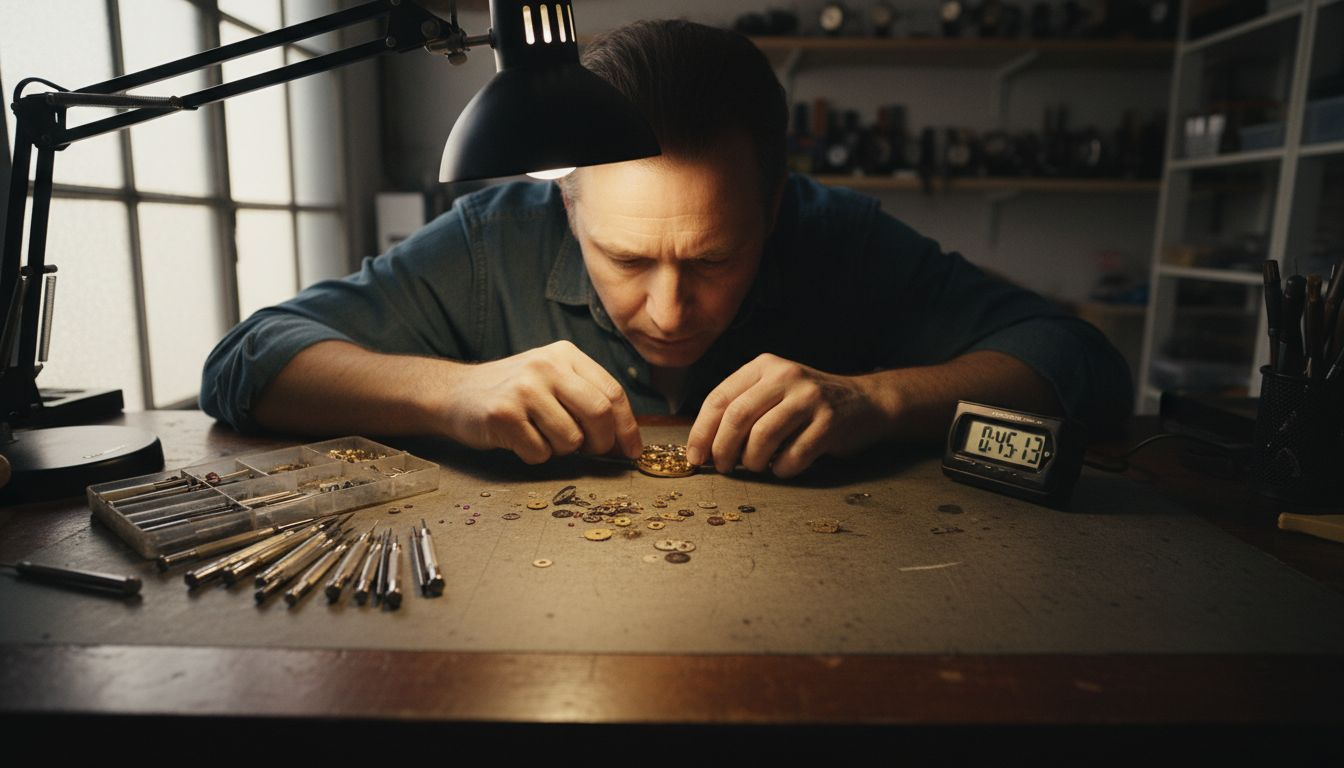
Comprehensive servicing encompasses multiple precision procedures. Watchmakers completely disassemble the movement, ultrasonically clean each component, replace worn parts, apply fresh lubricants to specific friction points, regulate timing accuracy, and replace gaskets ensuring water resistance. This labour-intensive process typically requires two to four weeks at authorised centres.
Quartz movements demand different attention schedules. Quartz watches need less frequent battery replacements but occasional seal and movement checks. Battery changes every two to three years prevent leakage that corrodes circuits. Gasket replacement during battery services maintains water resistance integrity.
Neglecting service intervals triggers cascading mechanical failures. Dried lubricants increase friction, accelerating gear wear. Metal particles from worn components contaminate the movement, damaging previously healthy parts. Timing accuracy degrades as the balance wheel loses regulation. What begins as a £500 service becomes a £2,500 movement overhaul.
Servicing preserves investment value through documented maintenance history. Buyers pay premium prices for watches with complete service records from authorised centres. Each service receipt proves proper care, authenticates the timepiece, and demonstrates the movement’s condition. Missing documentation raises authenticity concerns and reduces offers by 15% to 25%.
Key servicing considerations include:
Manufacturer servicing maintains warranty coverage but costs more than independent specialists
Service intervals shorten for watches experiencing daily shocks or extreme conditions
Vintage pieces may require longer intervals if rarely worn and properly stored
Water resistance testing should accompany every service to verify gasket effectiveness
Timing regulation ensures accuracy within COSC chronometer standards when applicable
Our professional watch servicing team handles all major Swiss brands with manufacturer-trained expertise. Additional servicing insights appear in this professional servicing advice resource.
Proper storage solutions and environmental protection
Environmental factors silently degrade watches during periods between wrist time. Proper storage systems protect against dust, impacts, magnetic fields, and atmospheric conditions that compromise both aesthetics and mechanics. Your storage choices directly influence long-term preservation success.
Automatic watches benefit significantly from mechanical stimulation during storage. Automatic watches benefit from watch winders to prevent lubricant stagnation when not worn regularly. Winders maintain gentle rotation patterns mimicking natural wrist movement, keeping lubricants distributed across friction points. Quality winders offer programmable turns-per-day settings matching specific calibre requirements.
Physical protection prevents costly damage from accidental impacts and scratches. Storing watches in original padded boxes reduces damage risk by over 50% compared to loose storage on dresser tops. Original boxes provide custom-fitted cushioning and dust protection. For collectors with multiple pieces, dedicated watch cases with individual cushioned slots prevent watches from contacting each other.
Magnetic field exposure creates accuracy problems in mechanical movements. Exposure to magnetic fields from devices can cause mechanical watch inaccuracies by magnetising the hairspring. Keep watches at least 10cm from mobile phones, laptops, speakers, and magnetic clasps on bags or cases. Magnetisation requires professional demagnetisation, though prevention costs nothing.
Atmospheric and chemical hazards accelerate deterioration. Extreme temperatures cause lubricants to thin or thicken beyond optimal viscosity. High humidity promotes internal condensation and rust. Perfumes, colognes, and cleaning products contain alcohol and chemicals that degrade gaskets, fade dials, and corrode cases. Direct sunlight fades coloured dials and can warp certain vintage plastics.
Implement these storage best practices:
Designate a cool, dry location away from windows and heating vents
Maintain consistent room temperature between 15°C and 25°C
Use silica gel packets in storage cases to control humidity below 60%
Rotate watches from winders to wrist wear preventing continuous unidirectional stress
Store leather-strapped watches separately from metal bracelet pieces to prevent chemical transfer
Pro Tip: Place a small compass near your storage area. If the compass needle deflects noticeably, magnetic sources exist nearby. Relocate your watches immediately to prevent hairspring magnetisation that degrades timekeeping accuracy.
Browse storage solutions on our watch storage advice page. Consider collection security through our luxury watch storage tips guide. Detailed winder information appears at watch winders use, whilst storage methodology details emerge at padded storage importance.
Avoiding common pitfalls: aftermarket repairs and handling
Maintenance mistakes permanently damage watches and obliterate resale value. Understanding which practices to avoid protects your investment as effectively as knowing proper techniques. The costliest errors stem from unauthorised repairs and improper component replacements.
Aftermarket parts represent the greatest threat to watch integrity. Non-original aftermarket parts can lead to increased mechanical issues and reduced resale value by introducing improper tolerances and materials. Generic hands, crowns, or movement components rarely match manufacturer specifications. Buyers immediately spot non-original parts during authentication, slashing offers by 30% to 50%.
Improper handling causes preventable damage. Mechanical watches contain delicate balance wheels and shock protection systems designed for normal wrist movements, not impacts. Setting the date between 9pm and 3am damages the calendar mechanism as gears engage. Rapid manual winding strains mainspring tension. Over-tightening screw-down crowns strips threads.
DIY servicing attempts by uncertified individuals invariably worsen problems. Opening a case back without proper tools scratches cases and compromises water resistance. Touching movement components with bare hands transfers skin oils that corrode brass parts. Incorrect reassembly leaves components misaligned or loose. Professional watchmakers invest years mastering techniques that seem deceptively simple.
Unauthorised service centres lack access to genuine replacement parts and technical documentation. Independent watchmakers may possess adequate skills, but cannot source manufacturer parts for certain brands. Without original components and official service procedures, even well-intentioned repairs compromise authenticity.
Critical mistakes to avoid:
Never attempt to open the case back yourself without certified training and proper tools
Avoid adjusting the date during the watch’s danger zone hours
Do not wind the watch whilst wearing it on your wrist to prevent uneven tension
Never use generic replacement parts regardless of cost savings promises
Avoid discount repair shops advertising suspiciously low service fees
Our professional watch repair services use only genuine components sourced through official channels. Authentication expertise detailed at authenticity and repair importance prevents costly mistakes. Additional warnings appear at risks of aftermarket parts.
Summary comparison of maintenance strategies
Comparing maintenance approaches clarifies which strategies suit your specific watches and priorities. This table synthesises cleaning, servicing, and storage methods with their respective impacts on value preservation.
Strategy | Frequency | Cost Range | Key Benefits | Value Impact | Best For |
Professional servicing | Every 3-5 years | £400-£1,200 | Complete movement overhaul, accuracy restoration, gasket replacement | High: maintains provenance | All mechanical/automatic watches |
Metal bracelet cleaning | Weekly | £0 (DIY supplies) | Removes corrosive buildup, maintains aesthetics | Medium: prevents deterioration | Stainless steel, gold, platinum cases |
Leather strap care | Monthly conditioning | £15-£30/year | Prevents cracking, extends strap life | Medium: preserves originality | Alligator, calfskin, cordovan straps |
Watch winder storage | Continuous | £150-£800 initial | Prevents lubricant stagnation, maintains accuracy | Medium: reduces service frequency | Infrequently worn automatics |
Padded case storage | Continuous | £50-£300 initial | Protects from impacts, dust, scratches | High: prevents physical damage | All watches when unworn |
Magnetic field avoidance | Continuous | £0 (behavioural) | Prevents accuracy degradation | High: avoids costly demagnetisation | All mechanical movements |
Quartz battery replacement | Every 2-3 years | £20-£60 | Prevents leakage, maintains function | Medium: ensures continued operation | All quartz movements |
Water resistance testing | With each service | Included in service | Verifies gasket effectiveness | High: prevents moisture damage | All water-resistant models |
This comparison reveals that professional servicing delivers the highest value protection despite significant cost. Frequency and thoroughness of basic care directly correlate with long-term preservation success.
Situational recommendations for luxury watch maintenance
Tailoring maintenance strategies to your specific circumstances optimises both protection and cost efficiency. Different collector profiles demand adjusted approaches based on usage patterns, watch types, and investment objectives.
Infrequent wearers of automatic watches: Invest in quality watch winders immediately. Watch winders prevent lubricant stagnation for infrequently worn automatic watches, saving hundreds in premature servicing costs. Programme winders to match your calibre’s recommended daily rotations, typically 650 to 900 turns.
Collectors prioritising resale value: Maintain meticulous service records with only authorised centres. Document every maintenance event with dated receipts, replacement part serial numbers, and condition reports. Store all documentation with original boxes and papers. This complete provenance increases resale offers by 20% to 30% over watches with incomplete histories.
Leather strap watch owners: Rotate multiple straps to extend individual strap lifespans. Remove straps immediately after perspiration exposure. Apply leather conditioner monthly using minimal product to prevent over-saturation. Store spare straps in sealed bags with silica gel packets. Quality leather straps cost £200 to £800, making preservation economically sensible.
Investment-focused collectors: Schedule servicing slightly before recommended intervals rather than after. Early servicing prevents wear from progressing to damage, maintaining higher component originality. Request detailed condition reports during each service documenting which parts remain original versus replaced.
Daily wearers: Increase cleaning frequency to combat accelerated exposure to contaminants. Inspect gaskets and crowns quarterly for visible wear. Consider purchasing a second watch for rotation, dramatically extending both pieces’ lifespans whilst reducing servicing frequency through decreased wear.
Pro Tip: Photograph your watches under consistent lighting every six months. These images create visual documentation of condition changes over time. Buyers appreciate this transparency, whilst you gain early warning of deterioration requiring professional attention.
Protect your timepiece investments with guidance from investment watch care tips and maintaining resale value resources. Collector-specific winder recommendations appear at winder use for collectors.
Discover expert services at Horology Kings
Protecting your luxury timepiece investment requires expertise that goes beyond basic cleaning routines. Our professional watch servicing team brings manufacturer-trained precision to every Rolex, Patek Philippe, Audemars Piguet, and Omega service. We use only genuine replacement parts and maintain complete service documentation that preserves provenance.
Whether you need routine maintenance, authentication verification, or assistance sourcing rare timepieces, our Hertfordshire-based specialists deliver the discretion and expertise serious collectors demand. Our luxury watch sourcing service accesses an expert network for locating specific models whilst ensuring authenticity. Visit Horology Kings to explore our complete range of services designed exclusively for discerning UK collectors and investors.
Frequently asked questions
How often should I service my luxury mechanical watch?
Service mechanical and automatic movements every 3 to 5 years under normal wearing conditions. Watches experiencing daily impacts, extreme temperatures, or water exposure require more frequent servicing every 2 to 3 years. Quartz movements extend to 5 to 7 years between services, though battery replacements occur every 2 to 3 years.
Can I clean my luxury watch with household products?
Never use household cleaners containing ammonia, bleach, alcohol, or abrasives on luxury watches. These chemicals damage gaskets, strip protective coatings, and corrode cases. Use only pH-neutral soap heavily diluted in lukewarm water with soft microfiber cloths. Dedicated watch cleaning products offer safest results.
Do watch winders damage automatic movements?
Quality watch winders programmed to appropriate turns-per-day settings do not damage movements. Excessive winding from cheap winders set too high creates unnecessary wear. Research your specific calibre’s recommended daily rotations, typically 650 to 900 turns, and programme accordingly. Winders benefit watches by preventing lubricant stagnation.
Will aftermarket parts void my watch warranty?
Yes, installing non-original parts immediately voids manufacturer warranties and severely impacts resale value. Aftermarket components introduce improper tolerances that damage surrounding original parts. Buyers reduce offers by 30% to 50% when detecting non-original components. Always insist on genuine manufacturer parts through authorised service centres.
How can I tell if my watch needs immediate servicing?
Seek immediate professional attention if you notice timing accuracy degrading beyond 10 seconds daily, unusual noises during winding or time-setting, difficulty engaging the crown, visible moisture under the crystal, or the second hand stuttering. These symptoms indicate internal problems requiring prompt intervention before damage spreads.
Recommended
Comments