.png)
How to prepare your luxury watch for a successful sale
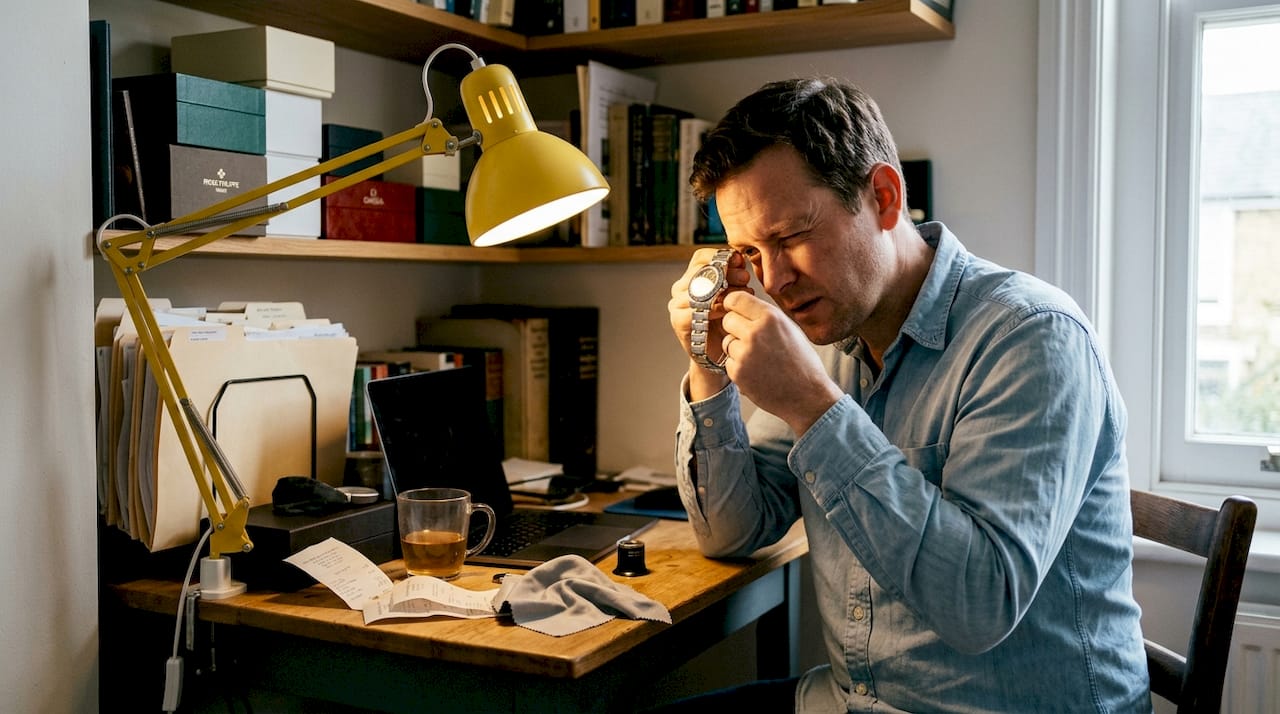
Selling a luxury watch can feel overwhelming when you want to achieve the best possible price whilst attracting serious buyers. Many sellers underestimate how much preparation influences final sale outcomes, from servicing and documentation to photography and channel selection. This guide walks you through every essential step to prepare your timepiece for a successful sale, ensuring you maximise value and minimise stress throughout the process.
Table of Contents
Key Takeaways
Point | Details |
Cleaning and servicing | Regular cleaning and timely professional servicing maximise perceived value and reduce the risk of hidden issues. |
Documentation trust builder | Accurate paperwork including receipts, authenticity certificates and service records increases buyer confidence and can command higher prices. |
Photography attracts buyers | Present high resolution images with neutral backgrounds and natural light to maximise appeal. |
Sales channel choice | Selecting the appropriate sales channel, such as trusted specialists or auctions, can optimise the final sale price. |
Negotiation boosts returns | Clear terms and confident negotiation can significantly improve the final price. |
Understanding what you need before selling your watch
Before you begin actively preparing your watch for sale, you need to gather essential materials and assess your timepiece’s current state. This foundation determines how much work lies ahead and what documentation you can provide to buyers.
Start by locating all original paperwork, including purchase receipts, authenticity certificates, warranty cards, and any service records. Accurate documentation increases buyer confidence and directly impacts the price you can command. Buyers pay premiums for complete provenance, particularly with high-value brands like Rolex, Patek Philippe, and Audemars Piguet.
Next, conduct a thorough condition assessment. Examine your watch under good lighting for scratches, dents, or discolouration on the case, crystal, and bracelet. Check functionality by testing all complications, ensuring the crown operates smoothly, and verifying timekeeping accuracy. Note any issues honestly, as transparency prevents disputes later and builds trust with serious collectors.
Consider whether your watch needs servicing before sale. Most luxury watches require maintenance every three to five years, and a recent service record significantly enhances appeal. If your watch hasn’t been serviced recently or shows functional issues, professional watch repair and servicing may be worthwhile. The investment often returns multiples in increased sale price.
Pro Tip: Create a simple checklist of everything you have and need. This organised approach prevents last-minute scrambles and helps you present a complete package to buyers.
Gather basic tools for cleaning and photography preparation:
Microfibre cloths for gentle cleaning
Watch cleaning solution or mild soap
Soft brush for bracelet links
Camera or smartphone with good resolution
Clean, neutral background for photos
Natural lighting source or photography lamp
Documentation type | Impact on sale price | Buyer priority level |
Original box and papers | +15-25% | Very high |
Service records | +10-15% | High |
Purchase receipt | +5-10% | Medium |
Warranty card | +10-20% | Very high |
Cleaning and servicing for optimal value
Once you’ve assessed your watch and gathered materials, focus on presentation through careful cleaning and, if needed, professional servicing. These steps directly influence how buyers perceive your timepiece and what they’re willing to pay.
Begin with gentle cleaning to remove accumulated dirt, oils, and smudges. Use a soft, lint-free microfibre cloth to wipe the case, crystal, and bracelet. For metal bracelets, a soft brush with mild soap and water can reach between links, but ensure you dry thoroughly afterwards. Never submerge your watch unless you’re absolutely certain of its water resistance rating, and avoid harsh chemicals that might damage finishes or seals.
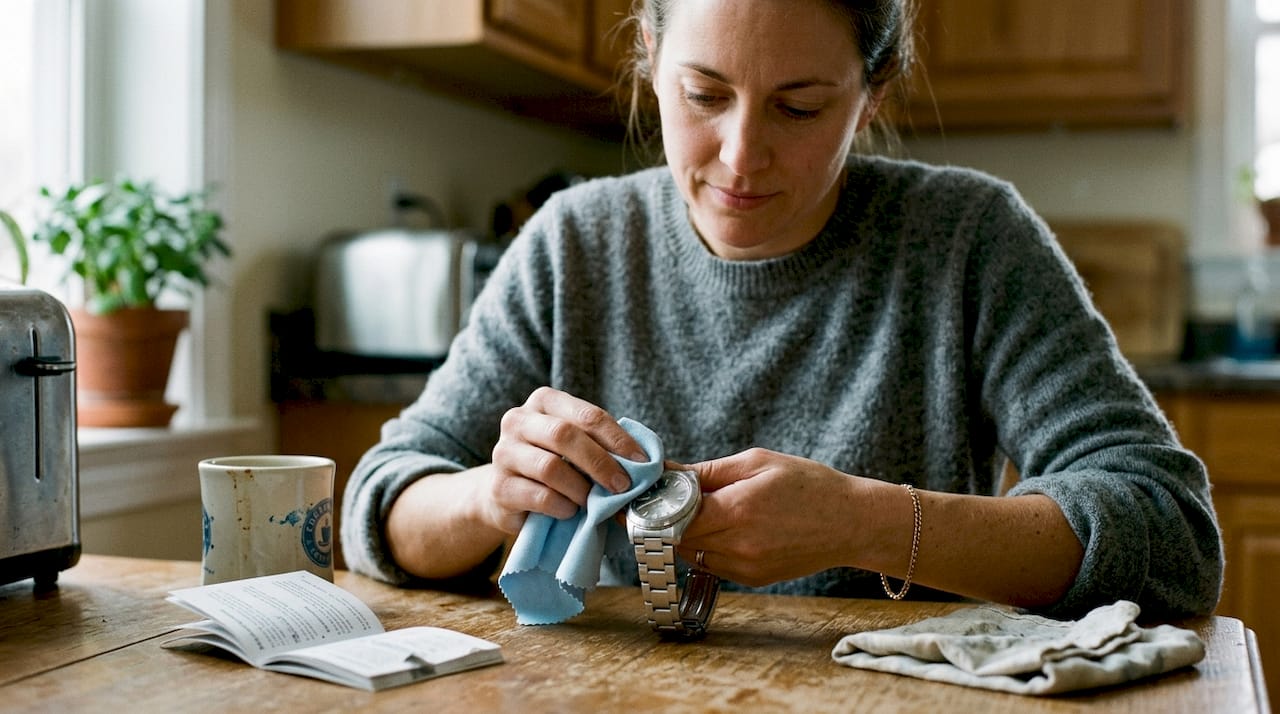
Pay special attention to areas buyers scrutinise closely. The crystal should be spotless, the dial free from dust under the glass, and the case back clean. Small details like polished lugs and pristine bracelet links signal that you’ve cared for the watch properly, which translates to higher perceived value.
If your watch requires servicing, don’t attempt repairs yourself unless you’re a qualified watchmaker. Amateur interventions often cause more damage than they fix, potentially destroying value. Professional servicing enhances resale value by ensuring mechanical reliability and providing documentation that reassures buyers.
Follow these steps for optimal cleaning results:
Remove the watch from your wrist and place it on a clean, soft surface
Gently wipe the crystal and case with a dry microfibre cloth
Use a slightly dampened cloth with mild soap for stubborn marks on metal parts
Clean bracelet links with a soft brush, working carefully to avoid scratching
Dry completely with a fresh microfibre cloth, ensuring no moisture remains
Inspect under good lighting to verify cleanliness before photography
Pro Tip: If you’re unsure whether your watch needs servicing, consult a professional for assessment. Many reputable dealers, including specialists in professional watch repair and servicing, offer evaluation services that help you make informed decisions.
Retain all service documentation meticulously. Buyers want proof that work was performed by qualified technicians using genuine parts. A complete service history from authorised service centres or respected independent watchmakers adds substantial credibility and often justifies premium pricing. This transparency demonstrates responsible ownership and reduces buyer concerns about hidden issues.
Photographing your watch to attract buyers
Visual presentation makes or breaks online watch sales. Buyers can’t physically inspect your timepiece, so photographs must convey condition, authenticity, and appeal convincingly. Poor images suggest either damage you’re hiding or careless ownership, both of which suppress prices.
Start with lighting, which matters more than camera quality. Natural daylight near a window provides the best results, avoiding the harsh shadows and colour distortion of artificial lighting. Position your watch so light falls evenly across the dial and case, eliminating dark spots that obscure details. If shooting indoors without sufficient natural light, invest in a simple photography lamp with diffused white light.
Your background should be clean, neutral, and non-reflective. White or light grey surfaces work well, allowing the watch to stand out without distractions. Avoid busy patterns, coloured backgrounds, or cluttered surfaces that draw attention away from the timepiece itself.
Capture multiple angles systematically:
Full face shot of the dial, centred and level
Three-quarter angle showing case profile and crown
Case back displaying serial numbers and engravings
Bracelet or strap showing condition and clasp
Close-ups of any unique features, complications, or wear
Documentation and accessories laid out neatly
Be honest about condition in your photographs. Show any scratches, wear on the bracelet, or patina on vintage pieces clearly. Attempting to hide flaws creates distrust and often leads to disputes or returns. Serious collectors appreciate transparency and factor condition appropriately into their offers.
Use your camera’s highest resolution setting and take multiple shots of each angle. Review images on a larger screen to verify focus, exposure, and detail visibility. Blurry or poorly exposed photos suggest unprofessionalism and reduce buyer confidence, even if the watch itself is pristine.
Avoid common photography mistakes that undermine your listing. Don’t use heavy filters or editing that misrepresents colour and condition. Eliminate reflections from the crystal by adjusting your angle or using a polarising filter if available. Ensure the watch is level in frame shots, as tilted images look careless and amateur.
Choosing the right sales channel and setting your price
With your watch cleaned, serviced, and photographed, you need to decide where and how to sell. Different channels suit different watches, timelines, and seller priorities. Your choice significantly impacts final sale price, speed, and effort required.
Private sales through online marketplaces or forums give you maximum control and potentially the highest returns, but require more work. You handle all communications, negotiations, and logistics yourself. This approach works well if you’re knowledgeable about your watch’s value and comfortable managing the sales process. However, you bear all risk of fraud or payment disputes.
Consignment with established dealers offers convenience and credibility. The dealer handles marketing, vetting buyers, and transactions whilst you wait for a sale. You’ll pay commission, typically 10-20%, but benefit from their expertise and customer base. This option suits sellers who prefer professional handling and can wait for the right buyer.
Auctions attract serious collectors and can achieve exceptional prices for rare or highly desirable pieces. Major auction houses provide global exposure and competitive bidding, but charge substantial fees and require patience. Reserve prices protect you from low sales, but unsold lots incur costs without returns. Consider auctions primarily for exceptional timepieces likely to generate collector interest.
Broker services combine elements of private sales and consignment. Brokers like those offering watch sales negotiation tips leverage industry connections to find buyers quickly whilst handling negotiations professionally. Fees vary, but you gain expertise without surrendering control entirely. This middle ground appeals to sellers wanting professional support with reasonable commission structures.
Sales channel | Average time to sale | Typical fees | Best for |
Private sale | 2-8 weeks | 0-5% (platform fees) | Sellers with time and knowledge |
Dealer consignment | 4-12 weeks | 10-20% | Convenience seekers |
Auction | 3-6 months | 15-25% | Rare, high-value pieces |
Broker | 2-6 weeks | 8-15% | Balanced approach |
Pricing requires market research and realistic assessment. Study recent sales of comparable watches in similar condition, considering factors like box and papers, service history, and market trends. Online platforms, auction results, and dealer listings provide pricing benchmarks. Choosing the right pricing strategy affects how quickly you sell and what return you achieve.
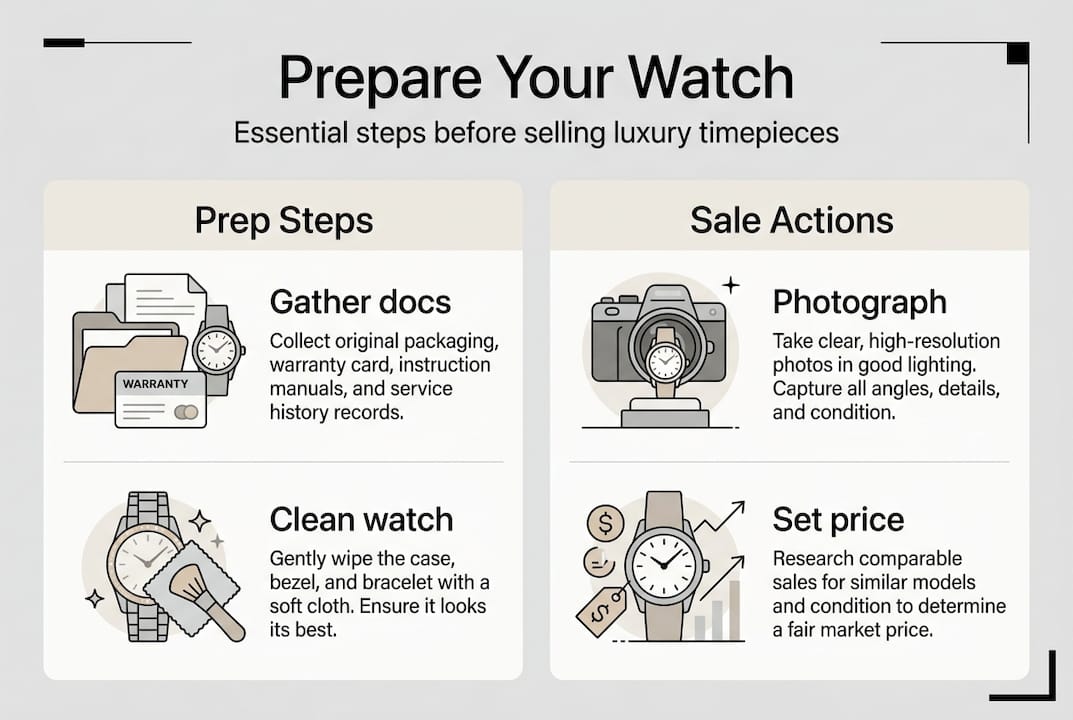
Build negotiation flexibility into your asking price. List slightly above your minimum acceptable price, allowing room for offers whilst signalling quality. Overpricing alienates buyers, whilst underpricing leaves money on the table. Research typical negotiation ranges for your brand and model to set realistic expectations.
Pro Tip: Consider timing when selecting your channel. If you need quick cash, private sales or brokers work better than auctions. If maximising price matters more than speed, consignment or auctions may yield better results. Understanding the benefits of selling watches through brokers helps you weigh these trade-offs effectively.
Key factors influencing channel choice:
Your timeline and urgency for sale
Comfort level with negotiations and logistics
Watch rarity and collector appeal
Willingness to pay fees for convenience
Risk tolerance for payment and fraud issues
For those exploring advanced strategies, learning how to trade high-end watches provides insights into timing markets and optimising returns across different economic conditions.
How Horology Kings can help you sell your luxury watch
Navigating the luxury watch market requires expertise, connections, and trust that many sellers lack. Horology Kings specialises in helping owners achieve optimal results when selling high-end timepieces, combining professional valuation with discreet, secure transactions.
Our platform connects sellers with serious buyers actively seeking authentic luxury watches from brands like Rolex, Patek Philippe, Audemars Piguet, Omega, and Cartier. We handle the entire sales process, from expert valuation to secure UK bank transfers, ensuring you receive fair market value without the stress of managing private sales. Whether you’re selling a single piece or an entire collection, our team brings decades of horological expertise to every transaction.
Beyond sales, we offer comprehensive watch repair and servicing services that prepare your timepiece for maximum appeal. Our technicians ensure your watch functions perfectly and looks its best, backed by documentation that reassures buyers. For collectors seeking specific models, our source a watch service leverages industry connections to locate rare pieces efficiently. Visit Horology Kings to discover how we simplify luxury watch transactions whilst maximising your returns.
Frequently asked questions
How long should I service my watch before selling it?
Ideally, have your watch serviced within the last two to three years before selling. Recent service records provide buyers with confidence that the movement is reliable and well-maintained. If you’re unsure about service history, a professional assessment can determine whether servicing would improve sale prospects and justify the investment through higher offers.
What documents should I prepare when selling a luxury watch?
Gather original purchase receipts, authenticity certificates, warranty cards, and all service records from authorised centres or reputable watchmakers. Complete documentation significantly increases buyer trust and can add 15-25% to your sale price, particularly for high-value brands. Original boxes and papers are especially important, as collectors prioritise provenance and authenticity verification.
How can I ensure my watch photos look professional?
Use natural daylight near a window, position your watch on a clean neutral background, and capture multiple angles including dial, case profile, case back, and bracelet details. Avoid reflections on the crystal by adjusting your angle, and use your camera’s highest resolution setting. Take several shots of each angle to ensure at least one is perfectly focused and well-exposed.
Should I sell my watch privately or via an auction?
Auctions suit rare, highly collectible pieces that benefit from competitive bidding amongst serious collectors, though they involve substantial fees and longer timelines. Private sales offer more control and potentially faster transactions, but require you to handle all negotiations and assume fraud risk. Consider auctions for exceptional timepieces and private sales for more common models or when speed matters.
Recommended
Comments